


To mark our 90th Anniversary, we’re returning to the archival designs that shaped Kahala from the very beginning. One print will be released each month throughout the year, honoring a distinct decade and the evolving story of aloha.
Each reissue reflects its era—its influences, the craftsmanship of aloha wear in Honolulu, and its relationship to Hawai‘i at that moment. Together, these designs trace how the aloha shirt moved from everyday island life into a style recognized far beyond the islands.
Released monthly throughout the year.


Size Chart
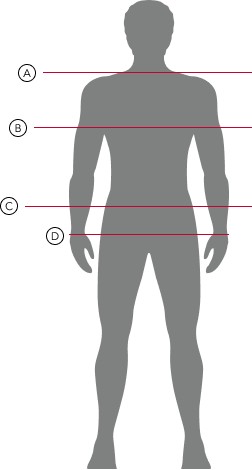
ANeck
Measure around the base of the neck. Allow a little space for a comfortable fit.
BChest
Measure around the fullest part below armpit
CWaist
Measure around the natural waist line
DSleeve
Measure Slightly bend elbow. Measure from center back of neck to shoulder. to bottom of wrist bone.


Size Chart
ANeck
Measure around the base of the neck. Allow a little space for a comfortable fit.
BChest
Measure around the fullest part below armpit
CWaist
Measure around the natural waist line
DSleeve
Measure Slightly bend elbow. Measure from center back of neck to shoulder. to bottom of wrist bone.


Size Chart
ANeck
Measure around the base of the neck. Allow a little space for a comfortable fit.
BChest
Measure around the fullest part below armpit
CWaist
Measure around the natural waist line
DSleeve
Measure Slightly bend elbow. Measure from center back of neck to shoulder. to bottom of wrist bone.


Size Chart
ANeck
Measure around the base of the neck. Allow a little space for a comfortable fit.
BChest
Measure around the fullest part below armpit
CWaist
Measure around the natural waist line
DSleeve
Measure Slightly bend elbow. Measure from center back of neck to shoulder. to bottom of wrist bone.


Size Chart
ANeck
Measure around the base of the neck. Allow a little space for a comfortable fit.
BChest
Measure around the fullest part below armpit
CWaist
Measure around the natural waist line
DSleeve
Measure Slightly bend elbow. Measure from center back of neck to shoulder. to bottom of wrist bone.


Size Chart
ANeck
Measure around the base of the neck. Allow a little space for a comfortable fit.
BChest
Measure around the fullest part below armpit
CWaist
Measure around the natural waist line
DSleeve
Measure Slightly bend elbow. Measure from center back of neck to shoulder. to bottom of wrist bone.


Size Chart
ANeck
Measure around the base of the neck. Allow a little space for a comfortable fit.
BChest
Measure around the fullest part below armpit
CWaist
Measure around the natural waist line
DSleeve
Measure Slightly bend elbow. Measure from center back of neck to shoulder. to bottom of wrist bone.


Size Chart
ANeck
Measure around the base of the neck. Allow a little space for a comfortable fit.
BChest
Measure around the fullest part below armpit
CWaist
Measure around the natural waist line
DSleeve
Measure Slightly bend elbow. Measure from center back of neck to shoulder. to bottom of wrist bone.


Size Chart
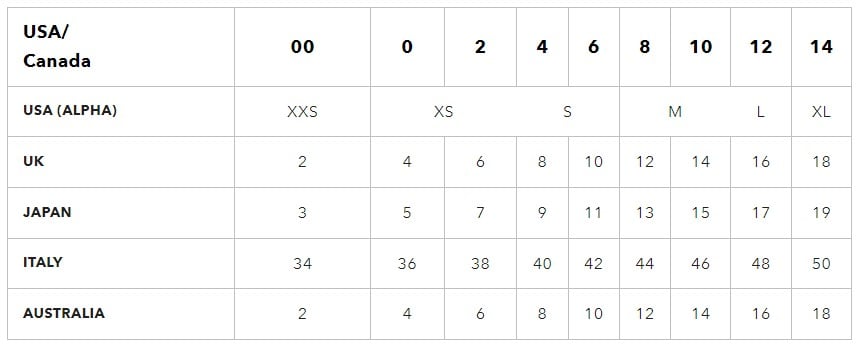


90 YEARS OF ALOHA
90 YEARS OF ALOHA